Two damaged areas of asphalt can look similar but need very different repairs. If you manage a commercial property, you want to choose the right option the first time.
When we compare infrared asphalt repair vs. traditional patching, we look at how deep the damage goes. Infrared asphalt repair methods can work well when the existing asphalt is reworkable, and the pavement underneath is sound. More serious damage may call for removing the failed pavement and installing new asphalt.
So which makes sense for your property? In this guide, we’ll compare cost, downtime, and performance in New Jersey conditions to help you understand what affects your decision.
What Is Infrared Asphalt Repair?
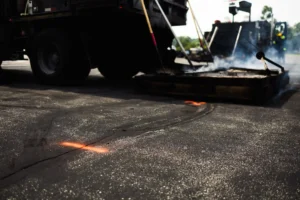
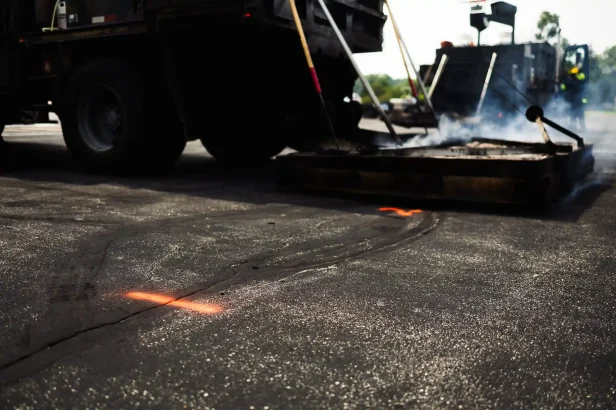
Infrared asphalt repair uses controlled heat to soften and rework existing asphalt rather than removing the entire damaged area. We can add material where needed, then compact the repair into the surrounding pavement.
Because we can reuse the asphalt already in place, infrared often requires less excavation and material removal than traditional patching. Our infrared patching services are a good fit for localized damage when the pavement beneath the repair remains sound.
How Infrared Heat Works on Asphalt
An infrared heating unit softens the existing asphalt so we can rework the damaged area and compact it back into place. Heating the edges helps tie the repair into the surrounding pavement. New Jersey research on infrared preheating shows that infrared can quickly heat the edges and bottom of potholes. That makes the condition underneath critical, since a failed base or settling pavement requires more extensive methods.
What Equipment Does an Infrared Repair Require?
We use an infrared heating unit, tools for reworking the asphalt, supplemental material as needed, and compaction equipment. The repair location is also key, since we need enough room to position the equipment around active parking lots and roadways.
What Is Traditional Asphalt Patching?
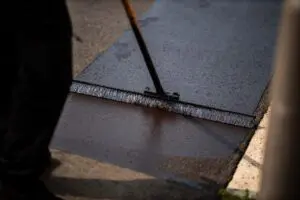
Traditional asphalt repair methods remove deteriorated pavement so we can repair the area to the depth the damage requires. A skin patch addresses shallow surface damage, a partial-depth patch reaches moderate deterioration, and a full-depth repair extends all the way to the affected base.
Saw-Cut-and-Replace Patching
With saw-cut patching, we remove deteriorated asphalt and address failed base material before installing and compacting new asphalt. Our infrared patching services rework suitable existing asphalt with less excavation when the pavement beneath the repair remains sound.
Infrared vs. Traditional Patching Cost and Performance Comparison
Here’s how infrared asphalt repair and traditional patching compare in terms of repair scope, disruption, and cost.
| Infrared Repair | Traditional Patching | |
|---|---|---|
| Best Fit | Localized surface damage with sound support underneath | Deeper deterioration or failed base material |
| Existing Asphalt | Reworks suitable asphalt already in place | Removes and replaces deteriorated asphalt |
| Base Access | Does not address deeper base failures | Allows us to access and repair the base when needed |
| Site Disruption | Typically requires less removal and material handling | More removal may mean a larger work area and longer repair process |
| Main Cost Drivers | Repair size, number of areas, site access | Repair depth, removal, base work, and replacement material |
Which Method Lasts Longer in New Jersey’s Climate?
New Jersey pavement experiences wintertime temperature swings, and trouble spots can become more noticeable as the seasons change. Neither method automatically lasts longer, so we look at what’s happening at the surface and underneath before recommending a repair.
Which Method Is Faster to Complete?
Infrared is typically faster for suitable repairs because it requires less pavement removal and less material to handle. Traditional patches can take longer when we need to remove pavement or repair the base, so we plan the work around your property’s traffic and accessibility requirements.
When Does Traditional Patching Make More Sense?
We typically recommend traditional patching for failed base material, recurring settlement, and areas around previous excavations where we need direct access below the asphalt.

Common Mistakes That Cause Asphalt Patches to Fail
- Treating Only the Surface: If the base underneath has failed, a surface-level repair won’t correct the deeper problem.
- Using the Wrong Repair Depth: Skin, partial-depth, and full-depth patches address different levels of deterioration. The repair needs to reach the actual failure.
- Poor Preparation or Compaction: Loose material, poorly prepared edges, or inadequate compaction can leave weak points in the finished patch.
- Stopping the Repair Too Soon: Extending a patch only to cracked or deteriorated asphalt leaves weak pavement around the new repair.
- Leaving Drainage Problems Unresolved: Water that repeatedly collects around the pavement can contribute to recurring damage. When drainage is part of the problem, drainage improvements can help address the cause along with the pavement repair.
How to Tell If a Previous Patch Is Failing
Watch for cracks around the edges, loose material, settlement, raised edges, or water that keeps collecting around the patch. These signs don’t always reveal the cause on their own, but catching them through routine parking lot maintenance gives us a chance to address the damage before it spreads.
Which Asphalt Repair Method Is Right for Your New Jersey Property?
Infrared asphalt repair vs traditional patching. Which is the best way to repair potholes on your property?
When Infrared Repair May Be the Better Fit
Infrared is the right fit for isolated potholes or localized surface damage when the existing asphalt can be reworked, and the base remains sound. Less excavation can also help limit disruption around an active commercial property.
When Saw-Cut Replacement May Be the Better Fit
We may recommend saw-cut replacement when deterioration reaches deeper into the pavement, including failed base material or recurring settlement. If the damage is widespread, we’ll also determine whether patching still makes sense or a broader repair is the better fit.
Questions to Ask Your Asphalt Contractor Before Choosing a Method
- What’s Causing the Failure? Is the damage limited to the asphalt, or is there a problem with the base underneath?
- Why Are You Recommending This Repair? Ask what the contractor sees in the pavement that makes this method fit your pavement.
- What’s Included in the Quote? Make sure you know whether deeper base or drainage work would change the scope or price.
- How Will You Prep the Area? Ask how the damaged pavement will be prepared so the new repair has a solid surface to bond with.
- When Can We Use the Area Again? Find out when you can reopen the area and whether heavier commercial traffic needs to wait longer.
- What Warranty Applies? Ask what the contractor covers after the repair and whether they can show comparable commercial projects.
You shouldn’t have to guess whether a surface repair will do the job or the damage goes deeper. If you’re weighing infrared asphalt repair vs. traditional patching and pothole repair for your New Jersey property, contact EBP Paving & Concrete. We’ll inspect the pavement and help you make the right call, backed by over 30 years of experience.
FAQs
How Long Does Infrared Asphalt Repair Last?
There isn’t a one-size-fits-all lifespan for every infrared repair. Its service life depends on the pavement condition, drainage, traffic, support underneath, and how well the repair is installed.
Is Infrared Asphalt Repair Worth the Cost?
It can be cost-effective when the damage is localized, and the existing asphalt can be reworked. Reusing suitable material can reduce excavation and removal, while deeper failures may justify the added work of traditional patching.
Can Infrared Repair Fix Potholes?
Yes, when the surrounding asphalt is workable and the support underneath remains sound. Potholes caused by deeper deterioration or settlement typically need a repair that reaches below the surface.
What Is the Difference Between Infrared Repair and Saw-Cut Patching?
Infrared heats and reworks suitable existing asphalt, adding material as needed. Saw-cut patching removes deteriorated pavement, giving us access to more serious damage and failed base material before we install new asphalt.
Does Weather Affect Infrared Asphalt Repair?
Yes. Temperature, wind, and moisture can affect how the pavement heats and how workable the asphalt becomes. We assess site conditions before starting and determine when the finished repair is ready for traffic.