When commercial asphalt starts cracking, deteriorating, or developing recurring problem areas, deciding how to repair it is not always straightforward. The choice between asphalt resurfacing, replacement, and milling depends largely on the condition and depth of the pavement deterioration.
Quick Answer: Asphalt Resurfacing vs. Replacement vs. Milling
- Asphalt resurfacing: Adds a new surface over structurally sound pavement.
- Asphalt replacement: Rebuilds pavement where deeper structural damage is present.
- Asphalt milling: Removes a controlled depth of existing asphalt, often to prepare the pavement for resurfacing.
- Key difference: Milling removes surface material, resurfacing adds a new surface, and replacement rebuilds pavement where deeper problems exist.
EBP Paving & Concrete has extensive experience evaluating and rehabilitating commercial pavement throughout New Jersey. Below, we’ll break down each asphalt repair method and when it’s appropriate for your next project.
Asphalt Milling, Resurfacing, and Full-Depth Replacement Explained
Milling, resurfacing, and full-depth replacement address different levels of pavement deterioration. The right asphalt repair approach depends on site conditions and damage depth, and many commercial projects use multiple methods.
Asphalt Milling
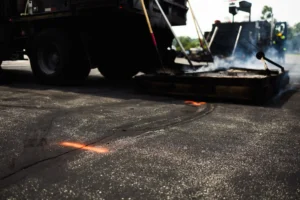
Asphalt milling removes a controlled depth of worn pavement while keeping structurally sound material intact. Milling can correct elevations and surface irregularities, improve transitions at curbs and drains, and prepare pavement for resurfacing. Many commercial projects combine asphalt milling and resurfacing in the same repair.
Asphalt Resurfacing / Overlay
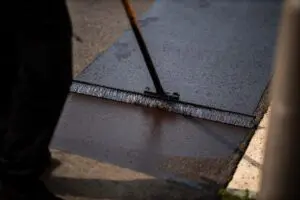
Commercial asphalt resurfacing, or overlay, adds a new asphalt surface over structurally sound pavement. Contractors may first repair localized damage, fill cracks, correct drainage issues, clean the surface, and apply a tack coat. An overlay does not rebuild the pavement structure, so contractors must first correct underlying structural or drainage problems.
Mill and Overlay
A mill-and-overlay combines surface removal and resurfacing in one process. Contractors mill a specified depth of asphalt to control elevations, maintain curb exposure, improve drainage transitions, and create a consistent surface before installing new asphalt. They may also complete localized full-depth repairs first when they find isolated structural failures.
Full-Depth Asphalt Replacement
Full-depth asphalt replacement removes the asphalt layers and rebuilds areas with deeper structural problems. When comparing asphalt overlay vs. replacement, replacement addresses deeper failures that an overlay alone cannot correct. Contractors can correct damaged base material, grading issues, drainage problems, or other underlying concerns before installing new asphalt. They may limit full-depth replacement to failed areas and use milling and resurfacing where the surrounding pavement remains structurally sound.
How to Choose the Right Pavement Repair Method
Choosing between resurfacing, asphalt milling vs. replacement, or a combination of methods depends on the type, depth, and extent of pavement damage. A professional paving contractor will help you evaluate surface condition, pavement structure, drainage, traffic loads, previous repairs, and elevations to determine the right approach for each area.
Surface Damage vs. Base Failure
Surface damage such as raveling, oxidation, cracking, and isolated potholes may make resurfacing an option when the pavement below remains sound. Alligator cracking, settlement, recurring failures, deformation, and drainage-related damage can point to deeper structural problems. Schedule a site evaluation to confirm the extent of the damage and whether it makes sense to repair localized failures at full depth before milling and resurfacing surrounding pavement.
Parking Lot Resurfacing vs. Replacement
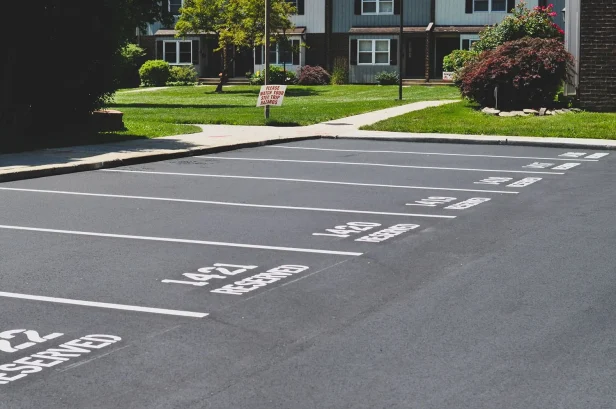
When considering parking lot resurfacing vs. replacement, contractors look at pavement condition, drainage, heavy-load areas, previous repairs, and elevations. Commercial asphalt resurfacing may suit surface deterioration on a stable pavement structure, while deeper or widespread failures may require full-depth work. Contractors may combine methods, accounting for ADA parking lot compliance when significant alterations are needed.
What Affects Cost and Pavement Lifespan?
When comparing commercial asphalt resurfacing vs. replacement, resurfacing usually requires less reconstruction. But pavement condition should guide the decision. Project costs depend on project size, milling depth, asphalt thickness, base or drainage repairs, access, and traffic control.
The lifespan of commercial asphalt resurfacing depends on pavement condition, drainage, traffic, installation quality, climate, and maintenance. Addressing underlying problems first helps prevent premature deterioration.
Common Misconceptions About Asphalt Repair
Here are a few common misconceptions about asphalt repair that can lead to unnecessary or ineffective work:
- Milling and resurfacing are the same: Milling removes asphalt, while resurfacing adds a new surface. Contractors often combine them in a mill-and-overlay.
- Resurfacing and repaving always mean the same thing: When comparing asphalt resurfacing vs. repaving, terminology can vary by contractor. The scope of work matters most.
- Damaged pavement always needs replacement: The depth and extent of damage determine whether resurfacing, localized repairs, or replacement makes sense.
- Patching fixes widespread deterioration: Patching methods such as infrared patching can address localized failures but may not solve broader pavement problems.
FAQ — Asphalt Resurfacing vs. Replacement
How do I know if my asphalt needs resurfacing or replacement?
Resurfacing may work for surface-level deterioration, while deeper or widespread structural damage may require replacement.
What is the difference between asphalt milling and resurfacing?
Milling removes existing asphalt, while resurfacing installs a new surface. Contractors often combine both in a mill-and-overlay.
Can damaged areas be replaced without replacing the entire parking lot?
Yes. Contractors can make localized full-depth repairs while milling and resurfacing structurally sound areas.
What factors affect how long asphalt resurfacing lasts?
Pavement condition, drainage, traffic, installation quality, climate, and ongoing maintenance all affect its lifespan.