A commercial asphalt maintenance checklist gives property owners and facility managers a practical schedule for inspecting, repairing, and protecting parking lots and other paved surfaces. In New Jersey, freeze-thaw cycles, moisture, snow removal, and heavy traffic can quickly turn minor cracks and drainage problems into costly pavement damage.
Use this checklist to plan routine inspections, crack filling, pothole repairs, sealcoating, pavement markings, ADA reviews, and seasonal maintenance for your commercial property.
Commercial Asphalt Maintenance Checklist at a Glance
✓ Perform routine visual inspections
✓ Check drainage and address standing water
✓ Repair cracks and potholes promptly
✓ Evaluate sealcoating, striping, and ADA compliance
✓ Document inspections and completed maintenance
For decades, EBP Paving & Concrete has helped commercial property owners, facility managers, HOAs, retail centers, and multifamily communities across New Jersey protect their pavement investments. Here’s what to know about seasonal maintenance, common mistakes to avoid, and signs that your asphalt needs repairs or resurfacing.
The Complete Commercial Asphalt Maintenance Checklist
Use this commercial parking lot maintenance checklist to identify pavement problems early and plan repairs throughout the year. Inspection frequency should reflect the pavement’s age, traffic levels, drainage, weather exposure, and overall condition.
Routine Visual Inspections
| Inspection Item | Recommended Frequency | Action if an Issue Is Found |
|---|---|---|
| ☐ Walk parking areas, loading zones, drive lanes, and pavement edges to look for cracking, rutting, heaving, or surface wear. | Monthly and after severe weather | Schedule an evaluation if damage is expanding or creating a safety concern. |
| ☐ Inspect drainage inlets and catch basins for blockages, damage, or settled grates. | Monthly | Remove debris or repair damaged structures as needed. |
| ☐ Check parking lines, fire lanes, crosswalks, directional arrows, and accessible parking markings for fading or damage. | Quarterly | Schedule restriping when markings become difficult to see. |
| ☐ Look for areas where water remains after rainfall. | After heavy rain | Investigate recurring ponding for possible drainage or pavement issues. |
| ☐ Photograph and document all observed pavement conditions. | Every inspection | Track changes over time and prioritize future repairs. |
Drainage Assessment and Ponding Review
| Inspection Item | Recommended Frequency | Action if an Issue Is Found |
|---|---|---|
| ☐ Remove leaves, debris, and sediment from catch basins and storm drains. | Spring, fall, and after major storms | Clear blockages to restore proper drainage. |
| ☐ Verify that water flows toward drainage structures instead of collecting on the pavement. | After rainfall | Document recurring low spots for further evaluation. |
| ☐ Inspect curbs, gutters, curb cuts, drainage channels, and pavement edges for settlement or damage. | Spring and fall | Repair damaged areas that redirect water onto the pavement. |
| ☐ Photograph standing water and record how long it remains after heavy rain. | After heavy rain | Request a professional evaluation if ponding continues after drains are cleared. |
Crack Inspection and Treatment
| Checklist Item | Recommended Frequency | Action if an Issue Is Found |
|---|---|---|
| ☐ Identify and photograph visible cracks, noting their size, location, and condition. | Spring and fall | Monitor changes and schedule repairs as needed. |
| ☐ Remove debris and vegetation before treating cracks. | Before repairs | Ensure proper preparation for a longer-lasting repair. |
| ☐ Use the appropriate crack treatment based on the crack type and pavement condition. | As needed | Have a paving professional determine the best repair method. |
| ☐ Complete crack treatment before sealcoating. | Before sealcoating | Allow materials to cure before applying sealcoat. |
Review cracks at least twice a year, especially on older or high-traffic pavement. Isolated cracks may be candidates for pavement crack filling, while alligator cracking or sinking pavement often requires professional evaluation.
Pothole and Pavement Repair (As Needed)
| Checklist Item | Recommended Frequency | Action if an Issue Is Found |
|---|---|---|
| ☐ Repair potholes in drive lanes, loading zones, and pedestrian areas promptly. | As needed | Address safety hazards before they expand. |
| ☐ Inspect the underlying base before completing permanent repairs. | During repairs | Stabilize the base before installing new asphalt. |
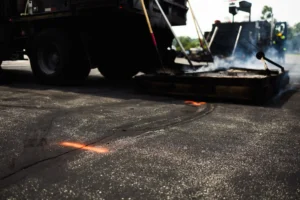
| ☐ Consider infrared asphalt repair for suitable localized damage. | As needed | Use the repair method that best matches the pavement condition. |
| ☐ Record the repair location, date, and method used. | After each repair | Maintain a complete maintenance history. |
Sealcoating Evaluation and Surface Protection
| Checklist Item | Recommended Frequency | Action if an Issue Is Found |
|---|---|---|
| ☐ Confirm new asphalt has cured before sealcoating. | Before first application | Follow contractor recommendations. |
| ☐ Clean debris, oil spots, and moisture from the surface. | Before sealcoating | Prepare the pavement for proper adhesion. |
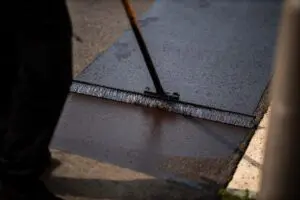
| ☐ Apply the appropriate sealer under suitable weather conditions. | Every few years, as needed | Schedule work when conditions are favorable. |
| ☐ Keep traffic off the surface until the sealer has fully cured. | After application | Follow recommended curing times. |
Pavement Markings and ADA Compliance (Annual Review)
| Checklist Item | Recommended Frequency | Action if an Issue Is Found |
|---|---|---|
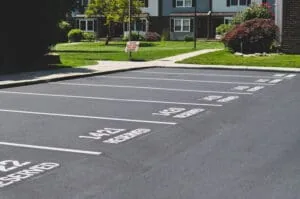
| ☐ Re-stripe faded parking stalls, fire lanes, crosswalks, and directional markings. | Annually | Schedule restriping when markings become difficult to see. |
| ☐ Review accessible parking spaces, signs, and access aisles. | Annually | Verify compliance before completing work. |
| ☐ Inspect loading zones, stop bars, and pedestrian routes. | Annually | Repair or repaint damaged markings. |
| ☐ Confirm ADA features remain visible and compliant. | Annually | Update markings or signage as needed. |
Maintenance Documentation and Recordkeeping
| Checklist Item | Recommended Frequency | Action if an Issue Is Found |
|---|---|---|
| ☐ Record inspection dates, locations, and pavement conditions. | Every inspection | Update maintenance records. |
| ☐ Save photos, priority level, and recommended repairs. | Every inspection | Use records to prioritize future work. |
| ☐ Document completed repairs, contractor, and follow-up date. | After each repair | Maintain a complete service history. |
| ☐ Use consistent names or numbers for parking areas, drive lanes, and repair locations. | Ongoing | Keep records organized and easy to reference. |
Recommended Commercial Asphalt Maintenance Schedule by Season
The schedule below provides a practical maintenance timeline for New Jersey commercial properties. Actual timing depends on weather, pavement condition, material requirements, contractor availability, and property operations.
| Season | Months in NJ | Priority Tasks | Why This Timing |
|---|---|---|---|
| Spring | March–May |
|
Winter often reveals new pavement damage that should be addressed before it worsens. |
| Summer | June–August |
|
Warm, dry weather typically provides the best conditions for pavement maintenance. |
| Fall | September–November |
|
Addressing cracks and drainage issues before freezing temperatures helps reduce winter damage. |
| Winter | December–February |
|
Permanent repairs may be limited, making inspections and temporary stabilization the priority. |
Why Commercial Asphalt Needs a Maintenance Schedule
A proactive maintenance schedule helps commercial property owners identify pavement issues early, prioritize repairs, and better plan future expenses. Because every property is different, you should base maintenance on pavement age, traffic, drainage, property use, and existing conditions—not a one-size-fits-all schedule.
Delaying maintenance can lead to:
- Wider cracks that allow water to reach the pavement base.
- Recurring potholes that become larger and more expensive to repair.
- Standing water that accelerates pavement deterioration.
- More extensive repairs as minor issues develop into structural failures.
How New Jersey's Climate Accelerates Asphalt Damage
New Jersey’s freeze-thaw cycles, deicing materials, spring rain, and summer heat all contribute to pavement wear. Water that enters small cracks freezes and expands, worsening existing damage, while weather conditions also affect when you can complete repairs and sealcoating.
Preventive Maintenance vs. Reactive Repairs
Preventive maintenance addresses small issues before they require major repairs, such as filling a small crack or clearing a blocked drain before larger damage develops. Once deterioration becomes widespread, more extensive repairs may be necessary. Property owners may use a
commercial parking lot maintenance plan
to stay up to date.
When Maintenance Is No Longer Enough
Maintenance may no longer be the best solution when pavement has widespread alligator cracking, recurring potholes, rutting, sinking areas, drainage failure, or repeated repairs in the same locations. A professional pavement assessment can determine whether localized repairs, resurfacing, or full-depth reconstruction is the most appropriate long-term solution.
Common Commercial Asphalt Maintenance Mistakes
Avoiding these common mistakes can help extend pavement life, improve safety, and reduce the need for larger repairs.
Skipping a Post-Winter Pavement Inspection
Waiting until damage becomes obvious allows cracks, potholes, and drainage issues to worsen. Schedule a spring inspection to document pavement conditions, prioritize repairs, and address safety concerns before cosmetic maintenance.
Sealcoating Before Completing Pavement Repairs
Treating Cold-Patch Asphalt as a Permanent Repair
Cold patch is typically intended for temporary or emergency repairs. If damage returns in the same location, have the pavement evaluated to determine whether a permanent repair, such as full-depth or infrared patching, is needed.
Failing to Keep a Written Maintenance Log
Without consistent records, it’s difficult to track recurring issues and plan future maintenance. Document inspections, repairs, photos, and follow-up dates using a spreadsheet or property management system.
Commercial Asphalt Maintenance FAQs
Sealcoating depends on pavement condition, traffic, and weather exposure. Many commercial properties are evaluated every few years and scheduled during suitable weather.
Minor cracks and potholes may only need repairs, while widespread cracking, rutting, or recurring failures may require resurfacing or reconstruction. A professional assessment can determine the best solution.
Yes. Commercial parking lots must comply with applicable federal, New Jersey, and ADA parking lot requirements.
The ideal timing depends on the weather and the type of work being completed. Spring through fall typically offers the best conditions for most asphalt repairs and maintenance.